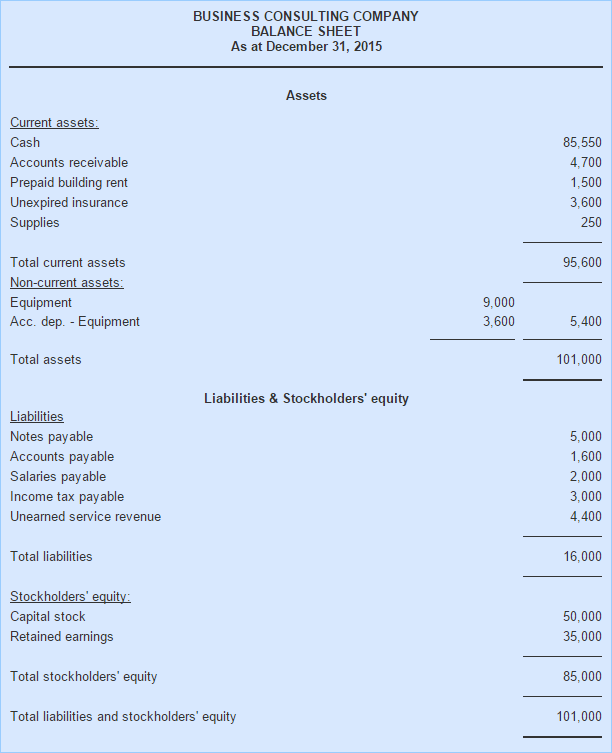
 Format, definition, explanation, and example of balance sheet. Both account format and report format of balance sheet have been presented in an easy to understand manner.
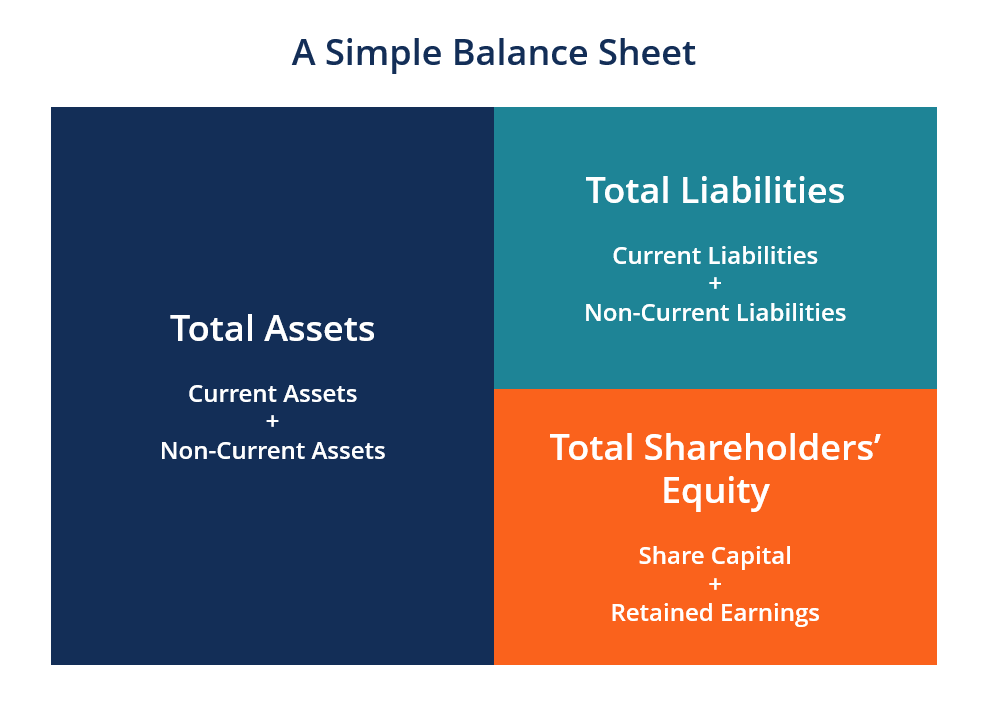 A balance sheet follows a simple format with three sections: assets, liabilities, and shareholders’ equity. Assets appear first, typically organized by liquidity.
/investing4-5bfc2b8ec9e77c0026b4f956.jpg) The balance sheet adheres to a formula in which assets are equal to the sum of liabilities and shareholders' equity. Analysts use balance sheets to calculate financial ratios.
The balance sheet adheres to a formula in which assets are equal to the sum of liabilities and shareholders' equity. Analysts use balance sheets to calculate financial ratios.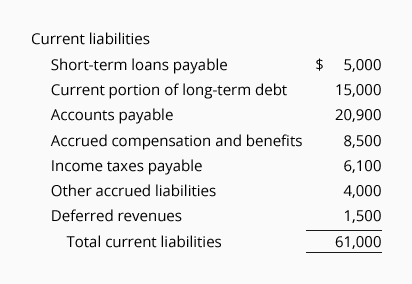 Key distinguishing features include extensive coverage of balance sheet formats, detailed explanations of each line item with supporting examples, and practical guidance on ensuring accuracy and monitoring financial position through liquidity ratios and leverage analysis.
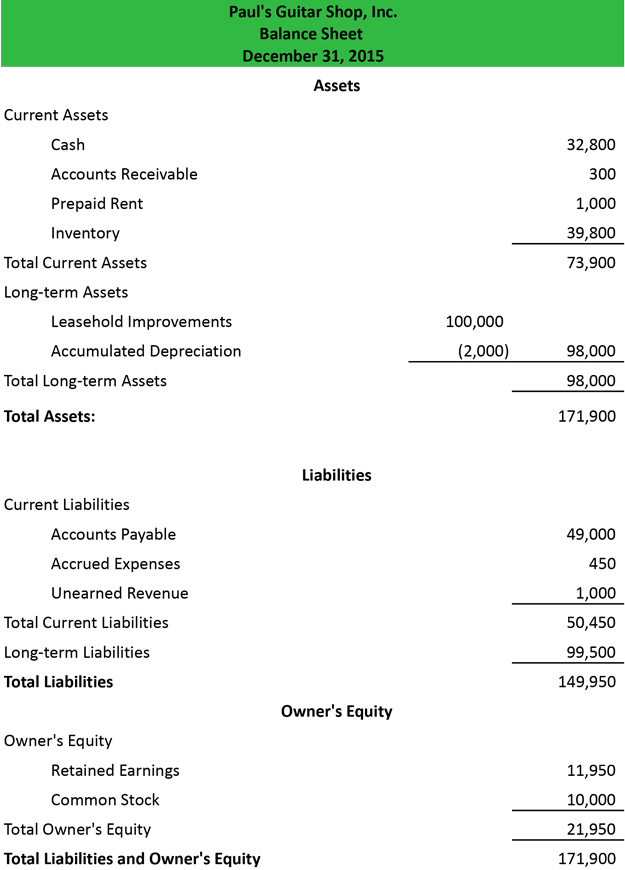 Investors and creditors generally look at the statement of financial position for insight as to how efficiently a company can use its resources and how effectively it can finance them. This statement can be reported in two different formats: account form and report form.
 We’ve compiled free, printable, customizable balance sheet templates for project managers, analysts, executives, regulators, and investors. Use these balance sheet templates as financial statements to keep tabs on your assets (what you own) and liabilities (what you owe) to determine your equity.